
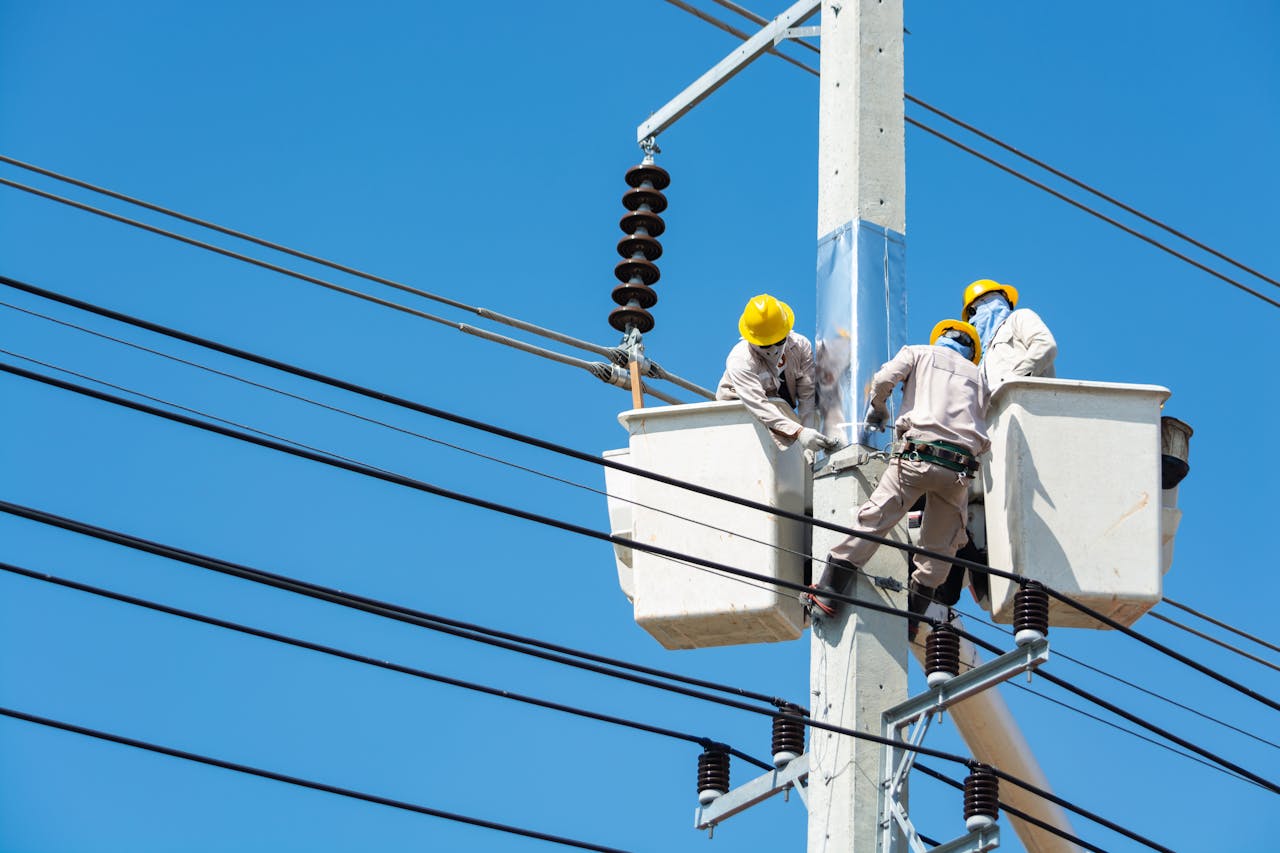
Utility Challenges in Remote and Field Work
- Remote and field work in utilities face challenges in labor utilization, geographical routing, and unified data management.
- Scheduling utility services involves infrastructure at scale, requiring powerful software to manage large data volumes and complex operations.
- Maintenance faces large volumes of planned work interspersed with significant, unpredictable disruptions.
- Utilities manage large inventories, requiring detailed, real-time inventory tracking to efficiently manage assets.
- Asset lifecycle management streamlines spending and ROI, moving upgrades and maintenance from a reactive position to a proactive model that disambiguates budgeting.
Without the aid of Acumatica service management features, utility and energy enterprises manage considerable infrastructure and support a large clientele. Geographically dispersed teams perform essential daily functions to keep resources flowing.
These operations grow in scale and complexity, and organizations may struggle with disconnected systems. Manual processes and limited real-time visibility create communication gaps and scheduling challenges, and they struggle to meet unpredictable service demands.
Modern ERP solutions like Acumatica Field Service provide centralized foundations that manage remote work and integrate with other essential functions, from operations management to finance.
Remote Work and Field Communication Challenges
Remote work requires consolidated communication resources to ensure all parties are operating with appropriate information and connected resources. Fragmented systems create disconnected data sources that have dispatchers, technicians, and other units working with different or incomplete information. This fragmentation causes confusion and delays responses.
As an example, customer service teams handling outage reports may not have the same real-time visibility as on-site crews. A shared platform like Acumatica Field Service enables every agent to access critical information in real-time, leading to better satisfaction and faster resolutions.
Routing adds complication to remote work. Utilities deploy technicians across large service areas with tasks ranging from routine meter readings to emergency repairs. Real-time navigation combines with communication to minimize travel time and optimize responses.
Labor efficiency in distributed environments expands operational challenges. Continuous access to accurate data leads to balanced workloads and optimized technician usage.
Acumatica service management modules directly address these challenges by consolidating all field operations into a unified system with real-time collaboration.
The Complexity of Scheduling in Utilities
The nature of energy work creates unique layers of difficulty in scheduling.
Travel Time and Geography
Acumatica Field Service streamlines the complex logistics of remote utility work by prioritizing accurate travel management.
Utility and remote energy work is often performed onsite. Technician routes can cover large differences and demand complex travel patterns to accommodate triaged responses.
When travel time is integrated directly into the scheduling models, realistic timelines better serve planning and routing efforts.
Emergency and Unplanned Work
Outages, equipment failures, inclement weather, and safety issues arise unpredictably. Frequently, emergency work presents the greatest urgency and disruption, requiring immediate rescheduling and rapid redeployment.
While utilities can budget time and labor for emergency responses, forecasting and modeling are necessary to optimize around unpredictable events. Without centralized platforms, emergency work creates delays that cascade across maintenance and service plans.
Acumatica Field Service supports the dynamic scheduling needs of modern utility operations with real-time adjustments and streamlined coordination.
Navigating Utility Maintenance at Scale
One of the greatest operational challenges in utility work is the sheer scale. Infrastructure incorporates thousands of assets that require planned maintenance across wide geographies.
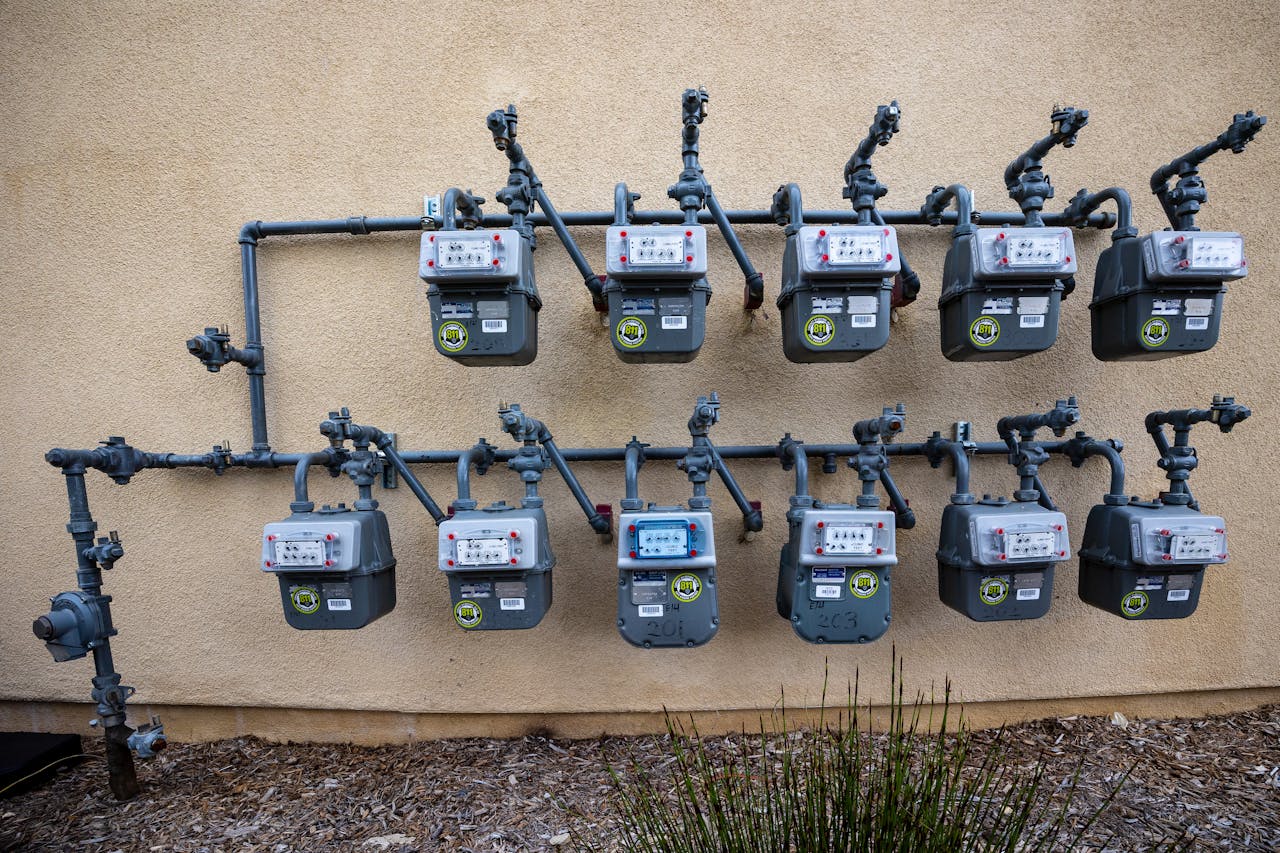
Predictable Maintenance
Acumatica service management functions benefit predictable maintenance activities.
Utility maintenance includes predictable work that can follow a reliable schedule:
- Routine inspections
- Planned preventative maintenance
- Technology upgrades
- Asset lifecycle planning
Using large data sets and predictive analytics with Acumatica Field Service enables proactive maintenance to prevent service disruptions.
Unpredictable Maintenance
Extreme weather, workforce shortages, supply chain disruptions, and unexpected equipment failures represent some of the most common forms of unpredictable maintenance.
These events create additional workload that must be integrated into maintenance plans.
By consolidating planned and unplanned maintenance into a unified system, planning can budget time, labor, and resources for both contingencies and further minimize downtime.
Acumatica Field Service supports maintenance management across planned and reactive scenarios.
Inventory Tracking for Field Teams
Utilities inherently manage large inventories, and field teams add to those totals.
Inflation can make it difficult to accurately track inventory value and year-over-year gains. Real-time inventory data and correction factors separate inflation from real growth, making for more accurate modeling.
IoT and sensor technologies dramatically increase overall inventory. While these devices enable more granular monitoring, they also introduce greater complexity into inventory management. Suitable software can use IoT data to compensate for the added complexity.
Supply chain dependencies inform inventory tracking. Any material disruption creates shortages that delay deliverables and services.
Organizations can anticipate ebbs and flows in resources and model inventory more accurately by tracking supply chain trends alongside inventory levels using Acumatica Field Service.
Acumatica service management improves visibility across field locations and supply stores.
Asset Lifecycle Management in Remote Energy
Asset lifecycle management comes with critical concerns for utilities:
- Aging infrastructure
- Poor data integration
- Reactive maintenance
- Regulatory changes
- Labor shortages
- Cybersecurity risks
Consolidated asset data helps organizations tackle each concern with asset tracking, maintenance history, and long-term replacement planning.
Lifecycle management with an ERP structures tracking, improving visibility of asset performance, usage patterns, and lifespan expectations. Combined with operational and maintenance data, enterprises shift from reactive to proactive maintenance strategies.
Acumatica supports lifecycle visibility across environments. Organizations can extend asset life and reduce downtime.
Optimizing Acumatica Field Service With Etticus
Solutions from Acumatica provide foundational support for centralized communication. Field service operatives gain better insights and collaboration from the same ERP that supports dynamic scheduling, scalable maintenance, integrated inventory tracking, and asset lifecycle management.
Etticus Solutions can help you establish Acumatica as a solution for field service, remote energy, and many other applications within your utility service.
Frequently Asked Questions
How does Acumatica service management aid communication between field teams and the home office?
Acumatica places dispatch, technicians, management, and other involved parties on a single platform. This ensures clean communication across devices and provides real-time access to the same data and information. As an example, a customer service representative can see, in real time, the scope of unexpected downtime by accessing updates provided by technicians working to restore service.
How does centralized data improve labor efficiency?
Real-time data tracking and analytics inform scheduling, job performance, travel time, and workloads. Management can view the scope of labor and its utilization and even model workflow changes before deploying them. This is how Acumatica Field Service highlights labor bottlenecks and inefficiencies and allows for testable solutions that minimize workflow disruption.
How does Acumatica help develop proactive maintenance strategies?
Acumatica processes large volumes of data across teams, departments, and even entities. Analytical tools allow decision makers to see service disruption patterns and adjust maintenance schedules accordingly. Additionally, Acumatica can customize data visualization, allowing for at-a-glance reviews of asset lifecycles and expectations.
How does Acumatica manage emergency response work in complex schedules?
Acumatica Field Service is designed for dynamic scheduling environments. It can manage multiple variables, including labor budgets for unexpected events, and ensure sufficient labor availability across complex schedules and environments, even accounting for route optimization and travel times.